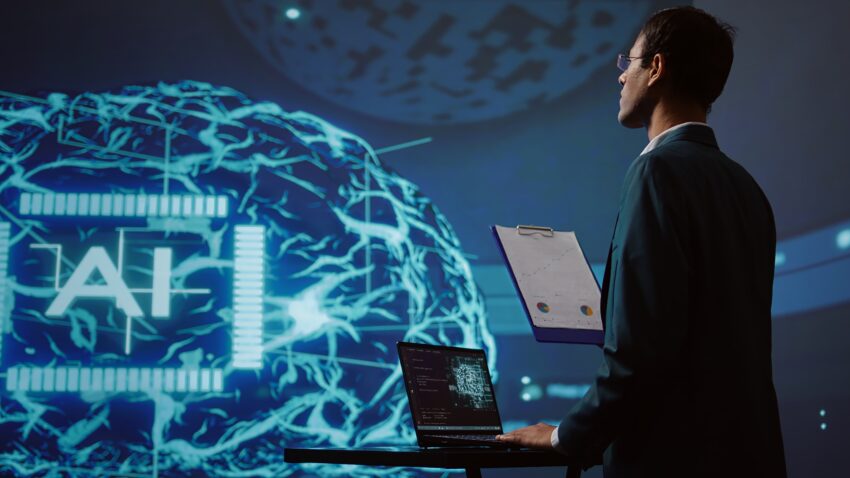
Artificial Intelligence (AI) is no longer a futuristic concept from science fiction movies. It is a powerful, real-world technology that is transforming industries, reshaping economies, and redefining how humans live and work. From voice assistants like Siri and Alexa to advanced systems developed by companies such as OpenAI, AI is rapidly becoming an integral part of everyday life.
In this SEO-optimized article, we will explore how AI is changing the world, its impact on various industries, its benefits and challenges, and what the future holds for this revolutionary technology.
What Is Artificial Intelligence?
Artificial Intelligence refers to the simulation of human intelligence in machines. These machines are programmed to think, learn, solve problems, and make decisions. AI systems use technologies like:
- Machine Learning (ML)
- Natural Language Processing (NLP)
- Computer Vision
- Robotics
- Deep Learning
AI systems analyze massive amounts of data, identify patterns, and improve their performance over time. This ability to learn and adapt makes AI one of the most transformative technologies of the 21st century.
The Rise of AI: A Global Revolution
The development of AI has accelerated significantly over the past decade. Tech giants like Google, Microsoft, Amazon, and Tesla are heavily investing in AI research and innovation. Governments around the world are also integrating AI into national strategies to boost economic growth and technological leadership.
AI is projected to contribute trillions of dollars to the global economy in the coming years. From startups to multinational corporations, organizations are leveraging AI to improve efficiency, reduce costs, and create new business models.
How AI Is Changing Different Industries
1. AI in Healthcare
One of the most significant impacts of AI is in healthcare. AI-powered systems can:
- Diagnose diseases faster and more accurately
- Analyze medical images
- Predict patient outcomes
- Assist in robotic surgeries
For example, AI algorithms can detect early signs of cancer in X-rays and MRIs with remarkable precision. Companies like IBM developed AI systems such as IBM Watson to assist doctors in diagnosing complex medical conditions.
AI also plays a crucial role in drug discovery, helping researchers develop new treatments in less time and at lower costs.
2. AI in Education
AI is transforming the education sector by personalizing learning experiences. Smart tutoring systems can adapt lessons according to a student’s strengths and weaknesses. Platforms powered by AI provide:
- Automated grading
- Virtual tutors
- Customized study plans
- Language translation tools
AI makes education more accessible, especially in remote areas. Online platforms use intelligent algorithms to recommend courses and learning paths tailored to individual goals.
3. AI in Business and Marketing
Businesses are using AI to understand customer behavior, improve decision-making, and increase profits. AI tools analyze consumer data to predict trends and personalize marketing campaigns.
For instance, Netflix uses AI algorithms to recommend movies and TV shows based on viewing history. Similarly, Amazon uses AI for product recommendations, dynamic pricing, and inventory management.
Chatbots powered by AI are also improving customer service by providing instant responses 24/7.
4. AI in Transportation
Self-driving cars are one of the most exciting developments in AI technology. Companies like Tesla and Waymo are leading the development of autonomous vehicles.
AI in transportation helps with:
- Traffic management
- Route optimization
- Accident prevention
- Fuel efficiency
Autonomous vehicles use sensors, cameras, and AI algorithms to make real-time decisions, potentially reducing accidents caused by human error.
5. AI in Finance
The financial sector relies heavily on AI for fraud detection, risk management, and algorithmic trading. AI systems analyze vast amounts of financial data to identify suspicious transactions and prevent cybercrime.
Banks use AI chatbots to handle customer inquiries, while investment firms use machine learning models to predict stock market trends.
6. AI in Entertainment
AI is revolutionizing the entertainment industry by creating personalized content experiences. Streaming platforms use recommendation engines to keep users engaged. AI is also used in:
- Video game development
- Film production
- Music composition
- Content moderation
Social media platforms like Meta use AI to filter harmful content and enhance user experiences.
Benefits of Artificial Intelligence
AI offers numerous advantages that are transforming society:
1. Increased Efficiency
AI automates repetitive tasks, allowing humans to focus on creative and strategic work.
2. Improved Accuracy
AI systems reduce human errors in critical sectors like healthcare and finance.
3. Cost Reduction
Automation lowers operational costs for businesses.
4. 24/7 Availability
AI-powered systems can work continuously without fatigue.
5. Data-Driven Decision Making
AI analyzes massive datasets to provide actionable insights.
Challenges and Risks of AI
Despite its benefits, AI also presents significant challenges:
1. Job Displacement
Automation may replace certain jobs, especially repetitive or manual labor roles.
2. Ethical Concerns
Issues like data privacy, surveillance, and algorithmic bias raise ethical questions.
3. Security Threats
AI can be misused for cyberattacks, deepfakes, and misinformation.
4. Dependence on Technology
Over-reliance on AI systems may reduce human critical thinking skills.
Governments and organizations are working on regulations and ethical frameworks to ensure responsible AI development.
The Future of AI
The future of AI is incredibly promising. Emerging technologies like Artificial General Intelligence (AGI) aim to create machines that can perform any intellectual task a human can do.
AI will likely:
- Revolutionize climate change solutions
- Advance space exploration
- Improve global healthcare systems
- Enhance smart cities
Companies such as OpenAI continue to push the boundaries of AI innovation, developing advanced models capable of understanding and generating human-like text, images, and code.
AI and the Global Economy
AI is expected to significantly impact global GDP. Countries investing heavily in AI research and infrastructure will likely lead the next technological revolution. AI-driven automation can increase productivity, create new markets, and transform traditional industries.
However, governments must also focus on reskilling workers to prepare them for AI-driven job markets.
How AI Is Changing Daily Life
AI is already part of everyday life:
- Smart home devices adjust lighting and temperature automatically.
- Voice assistants help schedule meetings and answer questions.
- Navigation apps provide real-time traffic updates.
- Online stores suggest products based on browsing behavior.
AI simplifies tasks, saves time, and enhances convenience.
Conclusion: A World Transformed by AI
Artificial Intelligence is changing the world in ways we could hardly imagine just a decade ago. From healthcare and education to business and entertainment, AI is driving innovation, improving efficiency, and reshaping the global economy.
While challenges such as job displacement and ethical concerns must be addressed, the potential benefits of AI far outweigh the risks. As technology continues to evolve, AI will play an even greater role in shaping the future of humanity.
The key lies in responsible development, ethical implementation, and global cooperation to ensure that AI benefits everyone.
Keywords Used for SEO Optimization:
How AI is changing the world, Artificial Intelligence impact, AI in healthcare, AI in business, AI future, AI benefits and risks, AI technology revolution, AI in education, AI in finance, AI in transportation.
If you want, I can also provide:
- Meta description (SEO optimized)
- SEO title variations
- Focus keywords list
- Internal linking strategy
- FAQs section for ranking on Google
Just tell me 😊